
The Future of Criminal Justice: Trends and Changes to Watch Out For
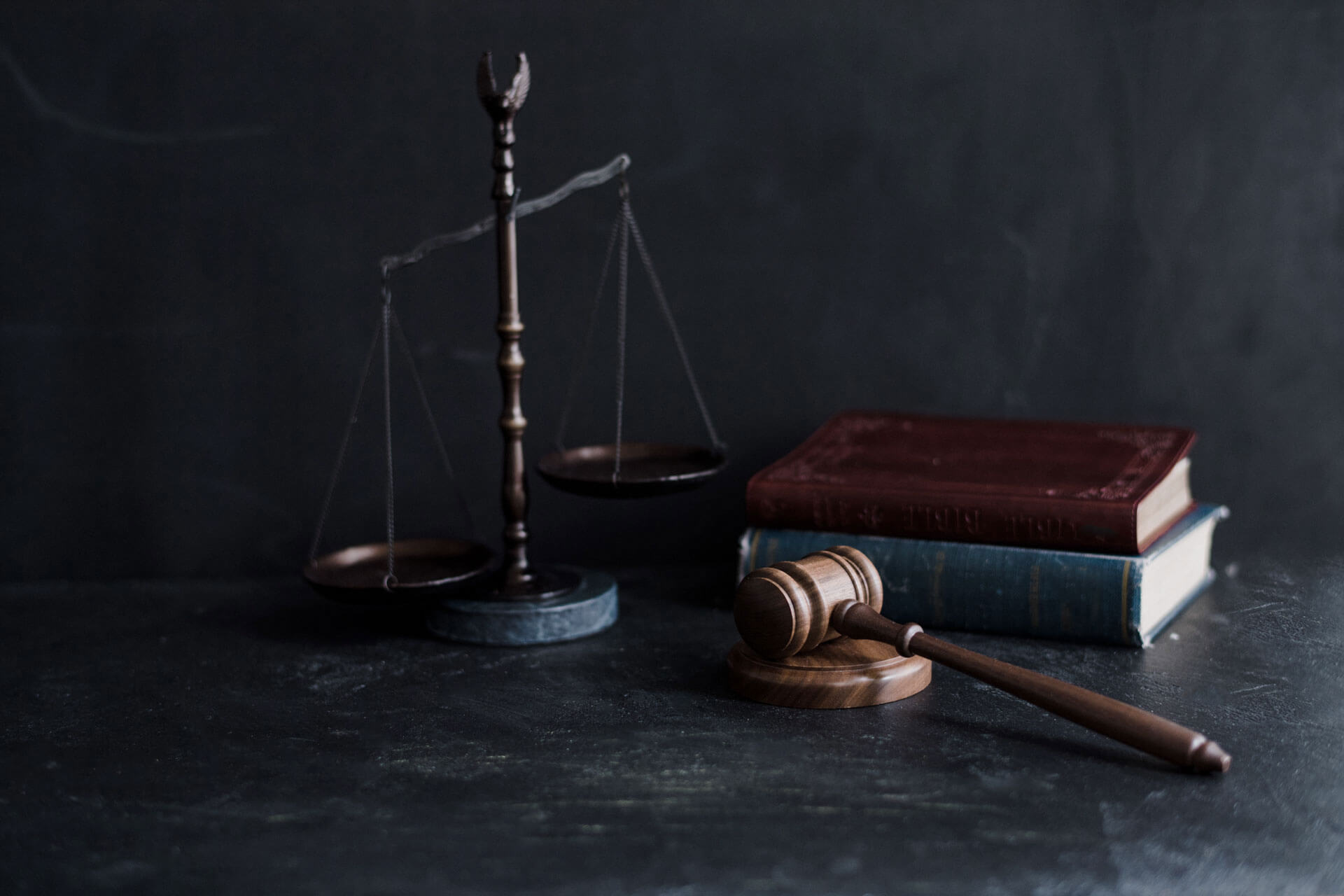
As technology continues to evolve, the criminal justice system– just like everything else– has undergone many changes in the past several years.
Improvements in technology have major implications for the criminal justice system. In fact, as advancements are made, the face of criminal justice as we know it could change forever.
We’ve analyzed some of the trends and changes that you can expect to see in the criminal justice system within the coming years.
Many states require that you have a separate child custody lawyer to advocate for the child, regardless of your divorce proceedings - and if you are going to hire someone, you want the most badass child custody lawyer available. But how do you find a great child custody lawyer in Arkansas?
Technological Advancements
Technology has long played a significant role in the criminal justice system, and this trend is set to continue.
One of the most important areas where technology plays a major role is forensic science. DNA analysis, for example, has revolutionized criminal investigations, helping to exonerate the innocent and convict the guilty. Additionally, technology is being used to improve prison security and reduce recidivism rates through educational and vocational programs.
Criminal Justice Reform
There is growing momentum for criminal justice reform, driven by concerns about mass incarceration and demographical disparities in the criminal justice system.
Some jurisdictions are now exploring alternatives to traditional incarceration, such as diversion programs, restorative justice, and community supervision. These alternatives aim to reduce the number of people in prison while still ensuring public safety.
Decreasing Incarceration
A fairly large percentage of people sentenced to prison are determined guilty of parole and probation violations. In some states, new programs are in place to allow people on probation to receive education assistance to reduce the terms of their probation.
In Oklahoma, House Bill 4369 allows people on parole to earn credits that can decrease the length of their parole– thus decreasing the possibility of parole violations that could otherwise result in further prison time.
Mental Health and Substance Abuse
People are increasingly aware that there’s a major connection between mental health, substance abuse issues, and criminal behavior.
As a result, many jurisdictions are now focusing on improving access to mental health and substance abuse treatment for those in the criminal justice system.
Diversion programs and problem-solving courts are also being developed in some areas to provide specialized treatment and support to those with mental health and substance abuse issues.
Additionally, some jurisdictions have put programs in place for certain offenders with low-level drug-related crimes. These programs include mental health treatment, vocational services, and housing assistance.
The increasing decriminalization of marijuana across the United States has also decreased the amount of marijuana-related drug crimes. (While recreational marijuana use is still illegal in the state of Arkansas, medical marijuana is currently legal).
Restorative Justice
Restorative justice is a growing trend in criminal justice that focuses on repairing harm and restoring relationships between victims, offenders, and communities.
This approach emphasizes the importance of accountability, healing, and reconciliation, rather than simply punishment. Restorative justice programs have been successfully implemented in many jurisdictions and have exhibited promising results– with the potential to reduce recidivism.
A finger on the pulse of the criminal justice system
At Bobby Digby Law, we’re up-to-date on the current technologies, laws, and policies that are transforming the criminal justice system. We work with our clients accordingly, and we’ll never stop fighting for your rights in court– no matter what changes within the system.
If you’re on the hunt for experienced and informed legal representation, look no further than Bobby Digby Law. Reach out today to schedule a consultation.
Need Advise?
If you’re looking for a badass child custody lawyer in Arkansas, look no further! Just contact the Digby Law Firm and schedule your free consultation today.

Can a Criminal Conviction Affect Your Professional License in Arkansas?
For many professionals, a criminal charge creates concerns that go far beyond the courthouse. Nurses, healthcare workers, contractors, teachers, technicians, licensed tradespeople, and other professionals may have to consider what a criminal conviction could mean for an occupational or professional license.
In Arkansas, certain criminal convictions can affect a person’s eligibility to receive or maintain a professional license. The consequences depend on the offense, the licensing authority, the person’s circumstances, and whether the conviction qualifies for a waiver or other legal treatment.
That makes the potential licensing consequences an important issue to address early in a criminal case.

Can a Prosecutor Add More Criminal Charges After an Arrest in Arkansas?
An arrest does not necessarily mean the State has finished determining what criminal charges may be pursued. In some Arkansas cases, prosecutors may file additional charges or seek to amend the criminal information as the case develops.
That does not mean prosecutors have unlimited authority to change a case without restrictions. Criminal defendants are entitled to notice and an opportunity to prepare a defense, and Arkansas courts have placed limits on amendments that would improperly change the nature or degree of the offense or create unfair surprise.

What Happens After a Drug Arrest?
A drug arrest in Arkansas can happen quickly, but the legal process that follows can take considerably more time. Being placed under arrest is only one part of a criminal case. After an arrest, several legal decisions may follow, including whether formal charges are filed, what charges are appropriate, what evidence the State intends to use, and whether the accused person should be released while the case is pending.
Understanding what happens next is especially important if you have never been arrested before. A drug arrest does not mean you have been convicted. The State still has to pursue the case through the criminal justice system and prove the allegations according to the applicable legal standards.

© 2026 Digby Law Firm | All Rights Reserved | Website Design by Rock City Digital